COMPUTE & RUN
Put physics to work.
Configure a run on CPU or GPU workers. Keep every simulation and its results connected to your project.
A WORKBENCH FOR ELECTROMAGNETICS
From your conceptual model to the final scan. Model, simulate and analyse ground-penetrating radar, all in your browser.
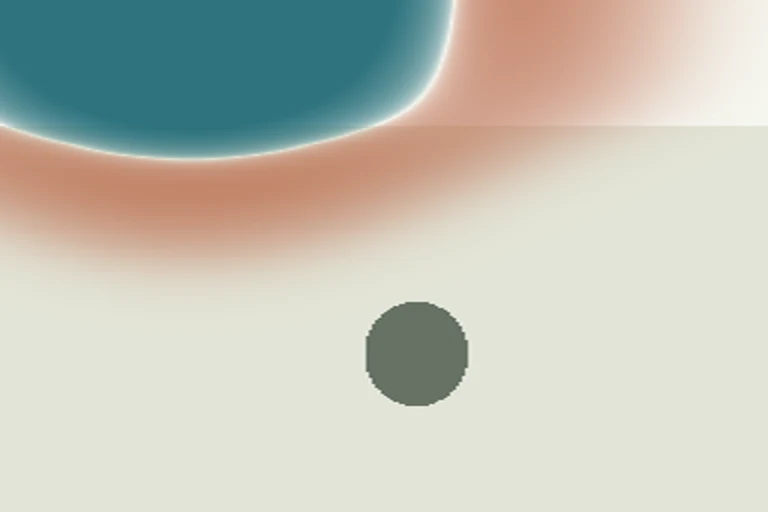
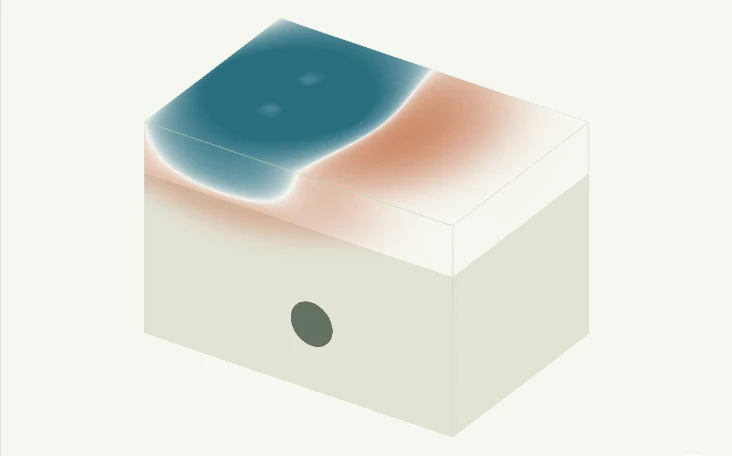
A pulse propagates through soil and reflects from a buried metal pipe. Colour represents the Ey electric-field component on the six faces of the volume.
BUILD IT, ONE LAYER AT A TIME
Choose a scene. Add ground, rocks, a target and an antenna, one step at a time. Rotate the model and explore every layer.
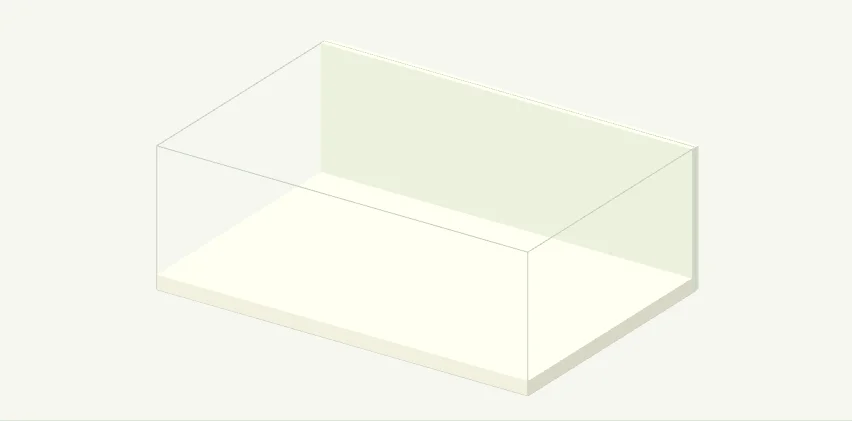
Soil background defining the extent of the model. The four step buttons select the layers shown in this model. Mouse dragging rotates the view.
Start with a soil background. Define the geometry and materials that give your subsurface scene its structure.
ONE CONNECTED WORKFLOW
From complex ground and realistic antennas to compute tasks and signal analysis. Everything connects to your research.
ROOM FOR MORE COMPLEXITY
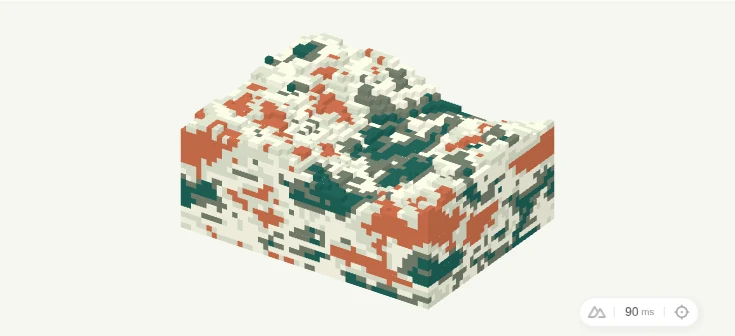
Build fractal media and uneven surfaces to describe spatial variation beneath the ground.
Configure a run on CPU or GPU workers. Keep every simulation and its results connected to your project.
FROM PROFILES TO SPACE
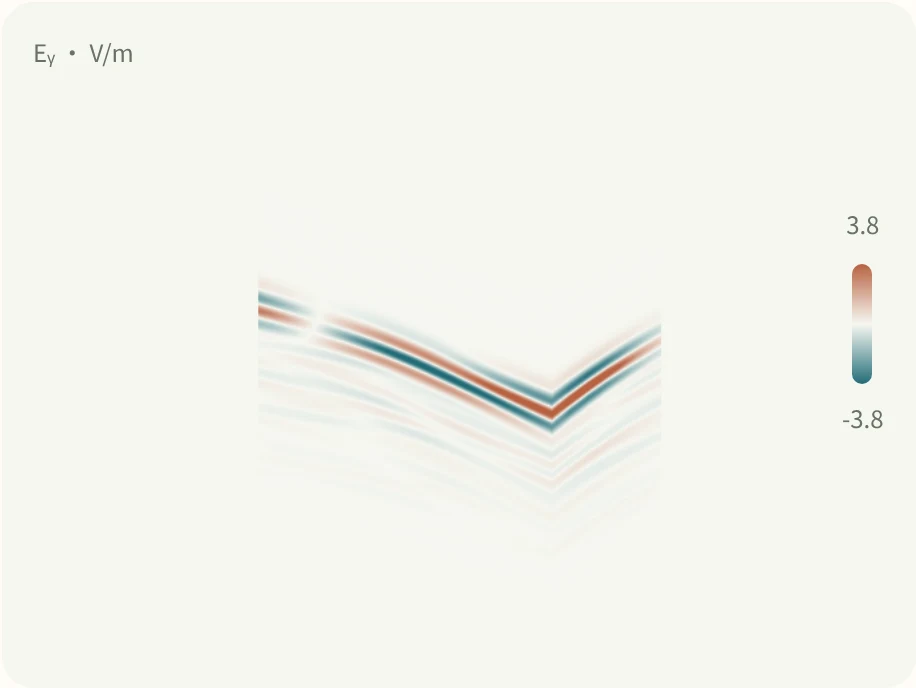
Place B-scans at their acquisition coordinates. Rotate and slice the 3D view to explore signals across survey lines.
Seven B-scans are placed at their survey coordinates. Colour represents Ey in volts per metre. The X-axis slider clips the displayed volume; arrow keys adjust the slice, and Home and End select its limits.
LINKED A/B-SCANS
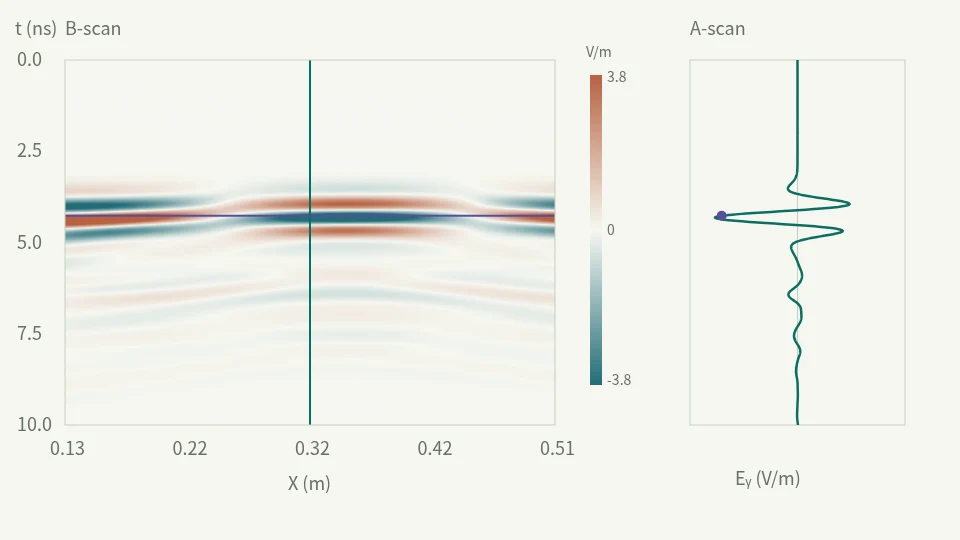
Click or drag across the profile to inspect the selected trace and its echoes in the A-scan waveform.
The B-scan and A-scan share the selected trace and time sample. Focus the chart and use Left or Right to select a trace, and Up or Down to select a time sample.
SIGNAL PROCESSING
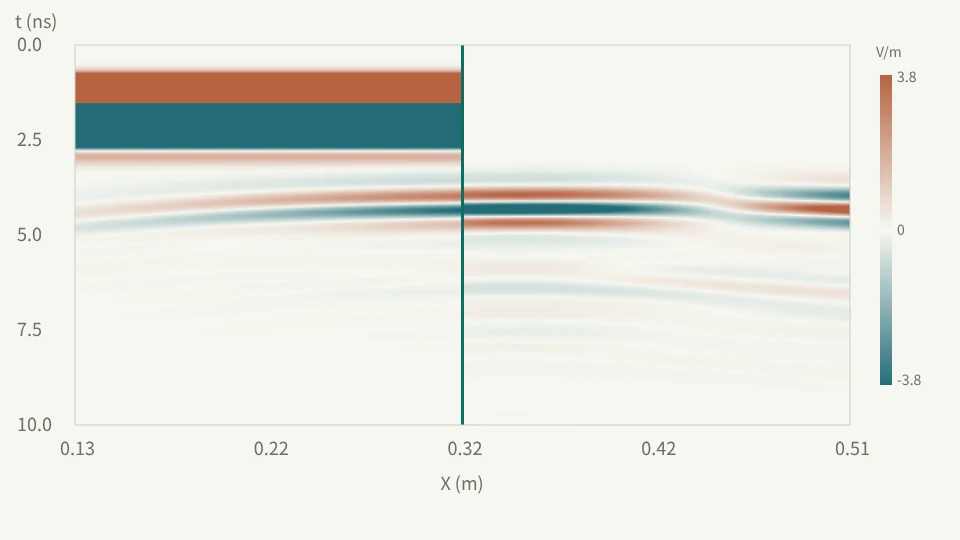
The same radar profile is compared on one colour scale: raw signal on the left, background removal and gain on the right. Arrow keys move the divider by 1 percentage point, Page Up and Page Down by 10; Home and End select the limits.
BENEATH THE SURFACE
Follow a pulse through soil and watch it reflect from a buried target. Connect underground structures to the signals they produce.
The central XZ cross-section shows the Ey electric-field component as a pulse propagates through soil and reflects from a buried metal pipe.
ONE WORKBENCH, MANY POSSIBILITIES
Build buried targets, understand complex media and bring electromagnetic simulation to your research.
BEYOND THE EARTH
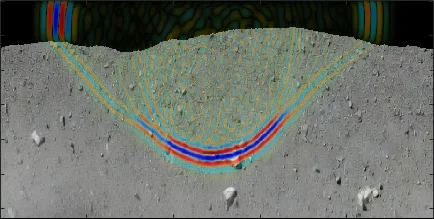
Watch electromagnetic waves propagate and scatter through a lunar-rock scene.
Electromagnetic waves propagate and scatter through a lunar-rock scene. This silent video can be paused or explored using the playback timeline.
BURIED INFRASTRUCTURE
Model pipes and their surroundings. Explore how targets, rocks and soil fit together.
Explore the model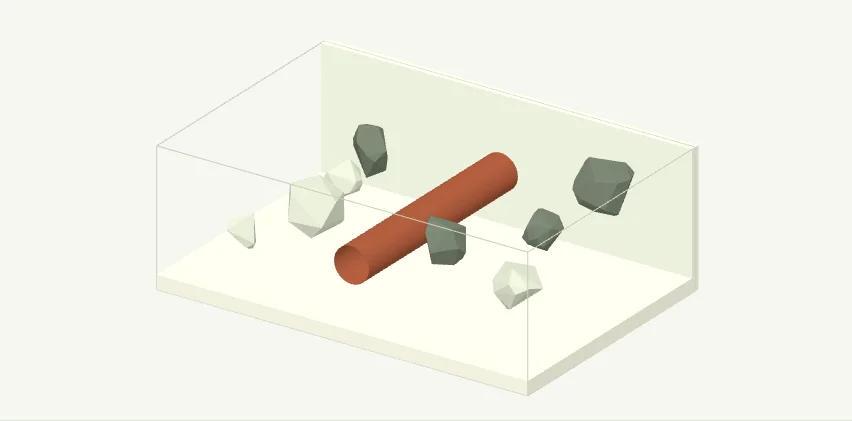
SUBSURFACE DETECTION
Inspect a PMN model, realistic antenna and survey path in a visual scene.
Explore the model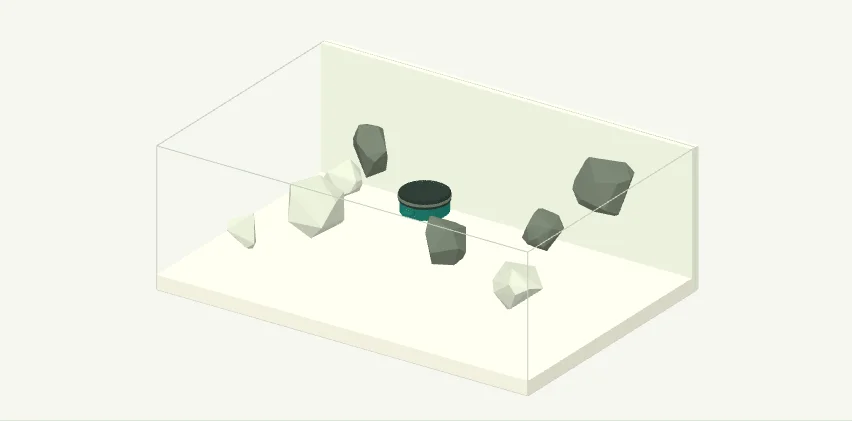
gprMax-Workbench
Start locally. No account required.